


Buying an engagement ring in Montreal is easier when the decision is treated as a design, quality and durability question, not only a search for the largest diamond. A strong ring balances diamond proportions, face-up size, setting architecture, metal choice, budget, craftsmanship and long-term maintenance.
Guides Atelier: For the full technical learning path, visit the Engagement Ring Knowledge Hub or start with the Montreal buying guide.
Atelier RMR approaches engagement rings like small-scale architecture. The centre stone, prongs, gallery, band width, wedding-band clearance and finishing all need to work together. This guide gives you a precise framework before you compare diamonds, choose a setting or book a private consultation in Montreal.

1. Start with budget and long-term value
There is no universal spending rule for an engagement ring. Salary-based formulas ignore the centre stone, metal, setting complexity, production method and the way the ring will be worn every day.
Clients comparing diamonds downtown can also read our Montreal Diamond District guide for a more opinionated framework on buying well at Phillips Square.
The more useful question is where the budget creates the most visible and lasting value. The centre stone often takes the largest share, but the setting should not be treated as whatever is left over. A ring with weak prongs, a band that is too thin or fragile pavé can become a poor long-term purchase even when the diamond looks strong on paper.
For many clients, the best allocation protects cut quality, chooses a visually efficient diamond shape, then builds a setting with correct metal thickness, secure prongs and clean finishing. For a deeper planning framework, read our engagement ring budget guide and our article on custom engagement ring cost in Montreal.
2. Understand carat weight, millimetres and face-up size
Carat measures weight, not diameter. Two diamonds with the same carat weight can look different on the hand because depth, table size, outline and shape affect face-up spread.
A diamond that is too deep can hide weight below the surface, making it look smaller than its carat weight suggests. An elongated oval, pear or marquise can create more finger coverage without a dramatic increase in weight.
Atelier RMR evaluates millimetre dimensions, depth percentage, table percentage and face-up appearance before judging a stone by price alone. A diamond that looks attractive on a certificate still needs balanced proportions, strong light return and the right relationship with the setting.
3. Choose the diamond shape
Diamond shape affects brilliance, finger coverage, durability and personality. It also changes how efficiently your budget appears on the hand.
Round brilliant
The round brilliant gives the most classic light performance and the clearest sparkle pattern. It usually offers less millimetre spread than an elongated shape of similar weight, but it is visually stable and easy to compare. Watch for cut grade, symmetry, depth and actual diameter.
Oval
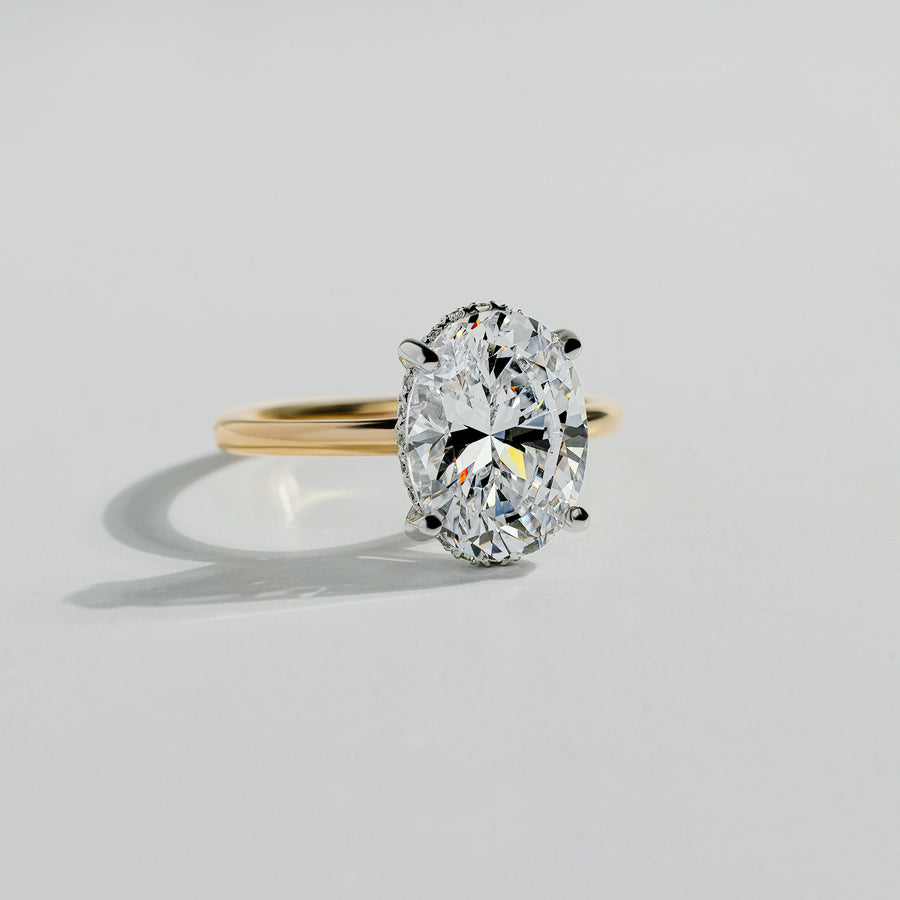
An oval diamond creates length on the finger and often appears larger than a round diamond of similar weight. It can be very bright, but the bow-tie effect, shoulder symmetry and length-to-width ratio need careful review.
Emerald cut
An emerald cut is about clarity, lines and architecture rather than scattered brilliance. It offers elegant finger coverage, but it reveals inclusions and colour more easily. Watch for clarity, windowing, corners and the consistency of the step facets.
Cushion
A cushion diamond can feel soft, romantic or more geometric depending on its outline and facet structure. Some cushions hold weight in the depth, so face-up size needs careful comparison. Look at spread, liveliness and the balance between rounded corners and shape definition.
Pear
A pear diamond lengthens the hand and creates a distinctive silhouette. Its point needs serious protection in the setting. Watch for symmetry, point durability, bow-tie effect and the direction in which the stone will be worn.
Marquise
A marquise offers strong visual spread for its carat weight. It is expressive and sculptural, but both points need protection. Symmetry, girdle thickness and setting design are essential for daily wear.
Radiant
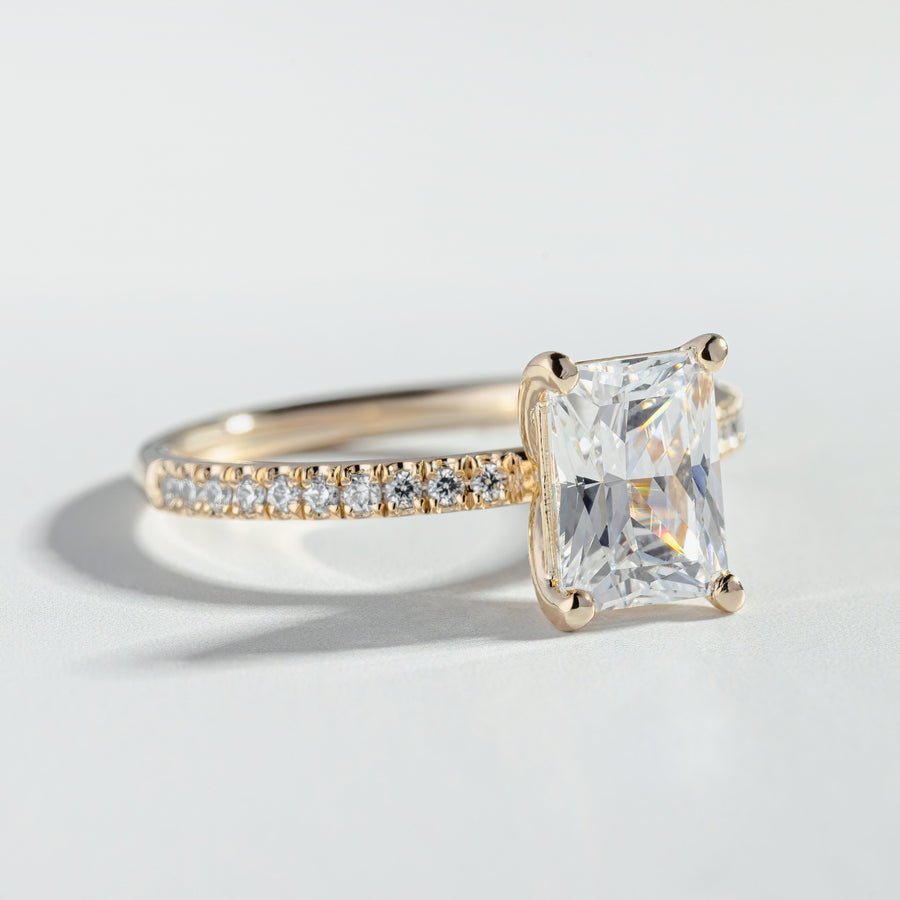
A radiant combines a rectangular or square outline with lively brilliance. It can feel modern, strong and bright. Watch for light distribution, dark zones, corner protection and length-to-width ratio.
4. Proportions and light performance
Diamond price does not tell the whole story. A certificate is useful, but it does not replace visual evaluation. Depth percentage influences how much weight is hidden below the surface. Table percentage affects how light enters and exits the stone. Length-to-width ratio changes the personality of the shape and its presence on the hand.
A diamond can be heavy without looking large. It can also have strong dimensions but poor life if the proportions do not support light return. This is why Atelier RMR compares carat weight with millimetres, outline, brightness, contrast and the setting plan before recommending a stone.

5. Natural diamonds vs lab-grown diamonds
Natural diamonds and lab-grown diamonds are both real diamonds. They have the same chemical composition, but a different origin. A natural diamond formed in the earth over a very long period. A lab-grown diamond is created in a controlled environment.
The main differences are usually price, rarity and long-term value perception. A lab-grown diamond can allow a larger stone or higher colour for the same budget. A natural diamond carries rarity, which matters to some buyers.
Ethics should be discussed with nuance. Traceability, supplier standards, production conditions and personal priorities all matter. Some clients choose lab-grown to maximize visual size. Others prefer natural because rarity is part of the meaning. Our role is to compare both options clearly, without pressure.
6. Choose the setting for daily life
The setting controls stone security, comfort, maintenance and the overall character of the ring. For a broader overview, read our engagement ring setting styles guide.
Solitaire
A solitaire keeps the focus on the centre stone. It is clean, direct and usually easier to maintain. Its success depends on proportions, prong shape, stone height and finishing quality.
Hidden halo
A hidden halo adds a line of small diamonds beneath the centre stone. From the top, it stays discreet; from the side, it adds detail and light. It needs more regular cleaning and precise execution. For a focused comparison, read our hidden halo engagement ring guide.
Pavé
Pavé adds sparkle along the band, but it requires enough metal, well-formed beads and periodic inspection. It suits clients who enjoy extra brilliance and accept a little more maintenance.
Cathedral
A cathedral setting supports the centre stone with shoulders that rise toward the head. It can add presence and stability, especially for rings where the centre stone sits higher. The arches should feel intentional, not bulky.
Bezel
A bezel surrounds the stone with a rim of metal. It protects the edges well and can be excellent for an active lifestyle, but it changes the visual outline and can reduce side light.
Three-stone
A three-stone ring creates visual balance and symbolic weight. The proportions between the centre stone and side stones are critical. If they are too large, the ring can feel wide or crowded.
Atelier RMR
Create a custom engagement ring with Atelier RMR
Compare diamonds, settings and metals with a Montreal jeweller before confirming your design direction.
7. Compare metals
Metal affects colour, durability, maintenance and how the ring feels on the hand. It also changes the way the diamond is perceived, especially near warmer stones.
Yellow gold
Yellow gold brings warmth and creates strong contrast with a white diamond. It can also soften the look of a slightly warmer stone. It polishes well and develops a natural patina over time.
White gold
White gold gives a clean, contemporary look. It is usually rhodium plated for a very white surface. That rhodium wears over time and needs periodic maintenance depending on how the ring is worn.
Rose gold
Rose gold adds a softer warmth. It interacts strongly with skin tone and can change the perceived colour of the stone. It is expressive without automatically being delicate, but the tone should be chosen intentionally.
Platinum
Platinum is dense, naturally white and highly valued for daily-wear engagement rings. It does not require rhodium, but it develops a matte patina. It usually costs more and feels heavier on the finger.
8. The custom process at Atelier RMR
A custom engagement ring begins with a private consultation. We clarify budget, style, diamond shape, lifestyle and timeline. You do not need every answer before the appointment. Inspiration images, a budget range and a few preferences are enough to begin.
From there, we source diamonds or gemstones based on the criteria. The design direction is refined, then CAD is developed when the project requires it. Production includes fabrication, setting, polishing, final inspection and aftercare guidance.
This process lets us control proportions, height, comfort, wedding-band fit and the details that make the ring personal without making it fragile. To prepare for your appointment, read our engagement ring consultation guide in Montreal.
9. Maintenance and daily wear
An engagement ring is often worn every day. It should be inspected, cleaned and adjusted over time. Prongs should be checked, especially after impact. Pavé settings require particular attention because small diamonds depend on fine beads and precise metalwork.
Gentle cleaning helps maintain brightness, but it does not replace a professional inspection. Resizing should be evaluated based on metal, band structure and the presence of pavé. Insurance is recommended for important rings, especially when the centre stone has significant value.
For daily wear, remove the ring for training, manual work, gardening, chemicals and situations where it may receive direct impact. A well-built engagement ring is durable, but it is still a fine object.
10. Alternatives and coloured stones
Diamond remains the most common choice for engagement rings in Montreal, but some clients prefer a coloured stone or a more personal direction. Sapphire, certain precious stones and decorative stones can work if durability, maintenance and setting design are clearly understood.
Stones like moss agate have a distinctive presence, but they require an honest conversation about durability. For that type of project, read our moss agate engagement ring guide.
11. Why work with a Montreal jewellery atelier
Working with a local atelier lets you compare options in person, adjust the design to the hand and understand trade-offs before production. You can see proportions, feel band widths, compare metals and ask technical questions to someone who actually builds rings.
For a custom engagement ring in Montreal, that proximity makes the process clearer. It also matters later for maintenance, inspections, resizing and future wedding-band decisions.
Frequently Asked Questions
How much does an engagement ring cost in Montreal?
The price depends on the centre stone, setting, metal, design complexity and atelier work. A simple ring with a modest stone is not comparable to a custom platinum ring with a certified diamond and pavé.
What budget should I plan for an engagement ring?
Plan a budget that protects stone quality and setting durability. The most important question is not only the total amount, but how that amount is allocated.
Which diamond shape looks the largest?
Elongated shapes such as oval, pear and marquise often create more finger coverage than a round diamond of the same weight. Millimetre dimensions matter.
Are lab-grown diamonds real diamonds?
Yes. Lab-grown diamonds are real diamonds, but their origin is different. They are created in a laboratory instead of forming naturally in the earth.
Is white gold or platinum better?
Platinum is naturally white, dense and does not need rhodium plating. White gold is lighter and often more accessible, but its rhodium finish needs maintenance. The better choice depends on budget, wear habits and desired finish.
How long does a custom engagement ring take?
The timeline depends on stone sourcing, design complexity, CAD, production and setting. It is better to begin several weeks before the date you need the ring.
Is a hidden halo engagement ring durable?
It can be durable when it is well built. The small diamonds need secure setting, the gallery needs enough structure and the ring should be inspected regularly.
Which setting is the strongest?
There is no single answer. A bezel protects edges very well, but a well-proportioned prong setting can also be secure. Thickness, height and lifestyle matter.
Can an engagement ring be resized?
Often yes, but not always easily. Pavé, engraving, certain metals and specific structures can limit resizing. Ring size should be planned carefully from the start.
When should I book a consultation?
Book once you have a rough budget, timeline or style direction. An early consultation helps avoid rushed decisions and expensive compromises.
What is the difference between carat and visual size?
Carat measures weight. Visual size depends on millimetre dimensions, depth, shape and proportions. A heavier diamond can sometimes look smaller.
Why work with a Montreal atelier?
A local atelier lets you compare stones and settings in person, follow the project clearly and return for maintenance, inspections and adjustments.
Plan your engagement ring with Atelier RMR
A strong engagement ring does not depend on one detail. It comes from a coherent relationship between stone, proportions, setting, metal, comfort, maintenance and intention. If you are looking for engagement rings in Montreal or a custom engagement ring in Montreal, Atelier RMR can help you compare the options with precision.
Atelier technical notes: diamond spread and face-up size
Carat weight is the first number many clients compare, but it is not the first thing the eye sees. The eye reads outline, millimetre spread, contrast and how the diamond sits on the hand. A well-selected 1.40 ct oval can feel larger than a deeper 1.60 ct oval if more of its weight is carried face-up instead of in the pavilion.
For round brilliant diamonds, table percentage, depth percentage, crown angle and pavilion angle work together. A table that is too large can reduce fire. Excess depth can hide weight underneath the stone. Pavilion angle is especially important because it controls how light returns to the viewer. Small changes can make a diamond feel lively, glassy, dark or leaky.
When two diamonds have similar certificates, we compare them loose and then consider the setting architecture. A diamond that looks excellent in tweezers can lose presence if the basket sits too high, the prongs are heavy, or the band width is out of scale with the stone.
| Specification | Why it matters | Atelier RMR checks |
|---|---|---|
| Face-up size | Controls visual presence on the hand. | Millimetre dimensions, outline symmetry and finger coverage. |
| Table % | Affects brightness, fire and the size of the top facet. | Balance with crown height and shape, not as an isolated number. |
| Depth % | Shows where carat weight is carried. | Avoids hidden weight that does not improve visual size. |
| Pavilion angle | Influences light return and contrast. | Checked alongside crown angle, table and real visual performance. |
Shape-specific buying advice
Round diamonds reward precise cut quality. Oval and pear diamonds need special attention to bow-tie contrast, shoulder symmetry and length-to-width ratio. Emerald cuts reveal clarity more openly because their step facets act like mirrors. Radiant cuts need a lively facet pattern without a crushed or watery centre.
Shape also changes setting strategy. An elongated oval may need a slightly different prong layout than a round diamond. Emerald cuts often benefit from protective corners. Pear and marquise diamonds require thoughtful protection at the point. For a deeper shape comparison, read our diamond shape guide and our diamond size chart by millimetre dimensions.
Setting engineering and wedding band fit
An engagement ring is not only a stone on a band. The gallery, basket, prongs, bridge, band width and shoulder transition determine how the ring wears. A low setting can feel secure and comfortable, but it may limit how close a wedding band can sit. A higher setting can allow a flush band, but it must still feel stable and proportionate.
Hidden halos, cathedral shoulders and decorative baskets should be planned with the future band from the beginning. A beautiful profile detail can become frustrating if the wedding band collides with the basket. This is why custom design and CAD review matter: they make the side profile, clearance and durability visible before production.
Metal behaviour over time
Yellow gold, white gold, rose gold and platinum age differently. White gold usually relies on rhodium for its bright white surface and may need replating. Platinum is naturally white and develops a denser satin patina. Yellow gold keeps warmth and contrast. Rose gold can shift the mood of the diamond and may feel more romantic, but alloy choice matters for durability and skin tone.
For white metals, compare our white gold vs platinum guide. The correct choice depends on colour preference, weight, maintenance tolerance, allergies, budget and the structure of the setting.
Long-term maintenance and atelier service
A strong engagement ring should be designed for years of wear, not only for the proposal moment. Prongs should be inspected, pavé should be checked under magnification, and rings exposed to daily impact should be cleaned and reviewed periodically. Soap, lotion and fine dust can collect under the stone and around small diamonds.
Atelier RMR’s sourcing and CAD process keeps these constraints visible. We review the stone, certificate, proportions, setting structure, wedding band plan and finishing before production. That process helps avoid common issues such as excessive height, thin prongs, weak pavé support or a wedding band that does not sit correctly.
Bring your budget, timeline and style direction. We will compare diamonds, setting architecture, metal behaviour and long-term maintenance before moving into CAD and production.
Additional FAQ
What is diamond spread?
Diamond spread is the visual size of the stone from above, usually judged by millimetre dimensions and outline. It is different from carat weight.
Should I prioritize table and depth percentages?
Use them as screening tools, not final answers. The relationship between table, depth, crown, pavilion and real visual performance matters more than one isolated number.
Can CAD show wedding band fit?
Yes. CAD can show profile height, basket shape and whether a straight or curved wedding band is likely to sit properly beside the engagement ring.